Open the official Cisco partner locator to find partners by location and skills; a logo on a quote won’t answer your buying questions. Use the listing to build a shortlist, then check who the seller is and what the order includes.
Finding a Cisco reseller can seem simple until the company name, invoice, and support offer don’t match. You need more than a brand badge. When you ask about authorized reseller status, you also need to know who will sell the goods and handle faults.
This guide shows you how to run a partner search, read Cisco’s current program terms, and compare written offers. It draws on Cisco’s buyer guidance and January 2026 program launch, with checks you can reuse for your own purchase. You’ll see what a listing helps you assess and which details still need a direct answer.
Start with the official source. Then keep the names, dates, and quote terms that show why a seller fits your needs.
Key Takeaways
- The Cisco partner locator is the official starting point for finding partners by location and relevant skills.
- Cisco’s current program distinguishes Portfolio and Preferred Partners; match their stated expertise to your project.
- A profile doesn’t prove stock, license rights, or the support included in a given quote.
- Match the seller’s legal name to the evidence you retain, and get written product and service terms before ordering.
What the Cisco partner locator can tell you

The Cisco partner locator helps you find firms in Cisco’s partner ecosystem. It can point you toward relevant skills and a way to contact the team. Your partner search should start with the work you need done, before you compare prices.
Cisco works with firms that play different roles. A team that helps design a network may do different work from a Cisco reseller supplying hardware. If you need an authorized reseller, check that the firm’s role fits the purchase you plan to make.
Choose the tool that matches your goal
Search results mix buying tools with pages for training, distribution, and partner accounts. Networking Academy and Learning Locator results concern education and training. Company registration and account tools serve firms working with Cisco; they don’t replace a buyer’s partner search.
The Cisco partner locator belongs at the start of your buying process. A distributor directory serves a different channel role. Don’t assume that a firm in that directory will sell straight to your business; ask how the sale will work.
If you know which parts you need, use our Cisco procurement guide to prepare the same parts list for each quote request.
Keep the Cisco partner locator listing and the offer together. One helps you assess the firm, while the other sets out the sale. Even when a Cisco reseller looks like a good fit, note the profile date and ask Cisco about any unresolved authorized reseller claim.
How to use the Cisco partner locator for a shortlist
These five steps are a buyer’s process, rather than a claim about the exact screen layout. Labels and search options can change. Cisco describes location, specialization, services, and industry as ways to find relevant partners.
1. Define the place and work required
Before opening the Cisco partner locator, write down where the hardware will run and what help you need. Split product supply from design, setup, migration, and day-to-day operations. A nearby office doesn’t prove that a team can support your site.
For a hardware purchase, tell the Cisco reseller the part numbers and counts. For a rollout, explain your current network and who will lead the work. This makes your partner search more useful than choosing whichever badge looks most familiar.
2. Check a known company’s name
If you have a seller in mind, check its legal name and trading name where the tool permits. Ask which company will issue the quote and invoice. Compare its web domain, address, and contact details with the records you’re given.
The Cisco partner locator is one part of that check. If the names differ, ask why and keep the reply. A similar name or a screenshot from the seller isn’t enough on its own to prove an authorized reseller claim.
3. Narrow the skills you need
Use the Cisco partner locator to find skills that fit your project, then read the details shown for each firm. Buying switches and running a managed security service call for different skills. Ask a Cisco reseller how its team will cover the work in your brief.
Don’t narrow every search option at once. A tightly filtered partner search can hide useful choices. Start with the place and main technology need, then refine as you learn which skills matter.
4. Resolve gaps in the seller’s details
Hypothetical example: Alex is comparing suppliers for a two-site network refresh. The quote uses a trading name, but the draft invoice names a different company. Alex asks for the legal name, a current directory reference, and a clear link between the two names. The seller sends matching records, so Alex can continue the review with the identity question resolved.
Product and support checks are still open in that example. An authorized reseller check should leave you with a clear name and relevant proof. If you can’t match the records, mark the claim unresolved and seek Cisco’s guidance.
5. Compare a small, relevant group
Save the date, company name, stated skills, and contact route for each firm from the Cisco partner locator. A useful partner search leads to a group you can assess on the same terms. Send the same brief to each business and compare the replies against it.
Don’t assume the first partner search result is the best fit. A team may suit one site or service but fall short on another. Ask who will do each task and keep that answer with the quote, so your shortlist rests on more than a logo.
Read Cisco 360 designations before comparing quotes

Cisco announced the Cisco 360 Partner Program launch on January 26, 2026. The program covers developers, consultants, managed service providers, resellers, and other partner models. Its locator spans Networking, Security, Collaboration, Services, Splunk, and Cloud and AI Infrastructure.
That range matters when you use the Cisco partner locator. A partner search for hardware supply should establish that the firm can fill that role. Ask a Cisco reseller which products and services its offer covers, rather than treating every program member as the same kind of seller.
Match recognition to the work
Cisco’s current partner capability guide explains terms used with the Cisco partner locator. Portfolio Partners show sales and technical skills, practice maturity, and a focus on a given portfolio. Preferred Partners have deeper investment in their practice, with advanced skills and lifecycle management.
The guide also distinguishes specializations from competencies. Cisco describes specializations as proof of advanced expertise, with an independent audit. Competencies show skills in a specific solution without the same depth requirement. Ask how the recognition shown for a firm applies to your own project.
Don’t turn a historic Gold badge into a current designation yourself. Use the present Cisco partner locator record and ask Cisco about unclear terms. An authorized reseller claim concerns the sales relationship; technical recognition helps you assess the work a team can do.
Verify a Cisco reseller beyond the directory
The Cisco partner locator helps you find a firm; it isn’t the contract for your hardware. Keep this stage of your partner search focused on proof for the order. Ask the Cisco reseller to address each point below in writing.
| Check | What to request | Question it resolves |
|---|---|---|
| Seller name | Legal name, address, invoice details, and current directory reference | Who is responsible for the sale? |
| Sales route | Proof of the relevant channel relationship and scope of the sale | Does the authorized reseller claim apply to this offer? |
| Hardware | Exact part numbers, counts, condition, accessories, and proposed changes | What will arrive? |
| Licensing | Required software, term, account destination, and delivery process | What rights and access are included? |
| Support | Named provider, covered items, dates, and service terms | Who handles faults and requests for replacement? |
| Delivery | Written stock position, dispatch plan, shipping terms, and destination | What schedule can you plan against? |
An authorized reseller listing doesn’t tell you that a unit is in stock or that every service is in the price. Ask for distinct hardware, software, and service lines when needed. Treat a phrase such as “full support” as a reason to ask what the seller means.
Separate seller warranty from manufacturer support
A Cisco reseller may quote its own warranty, a manufacturer service, or both. Ask who takes a fault report, who approves a replacement, and what the terms exclude. Don’t assume the two routes cover the same faults or offer the same response times.
Cisco’s official buying guidance sets out authorized sales routes and points to license and service-contract resources. Use those resources when an authorized reseller enquiry involves a renewal or unclear support rights. The Cisco partner locator alone can’t settle those questions.
Hypothetical example: Morgan asks for 12 switches for a branch refresh and gets an offer with “support included.” The quote doesn’t name the service product, coverage dates, or team handling faults. Morgan asks for those details and holds the purchase order while the seller clarifies the offer. This leaves a quote the team can review, instead of an assumption about what a partner profile covers.
For a discontinued model, check its lifecycle status as well. A part being for sale doesn’t mean that manufacturer support is still offered. An authorized reseller discussion should make that clear before your team accepts a gap in support or approves an exception to its buying rules.
Turn your partner search into a clear quote request
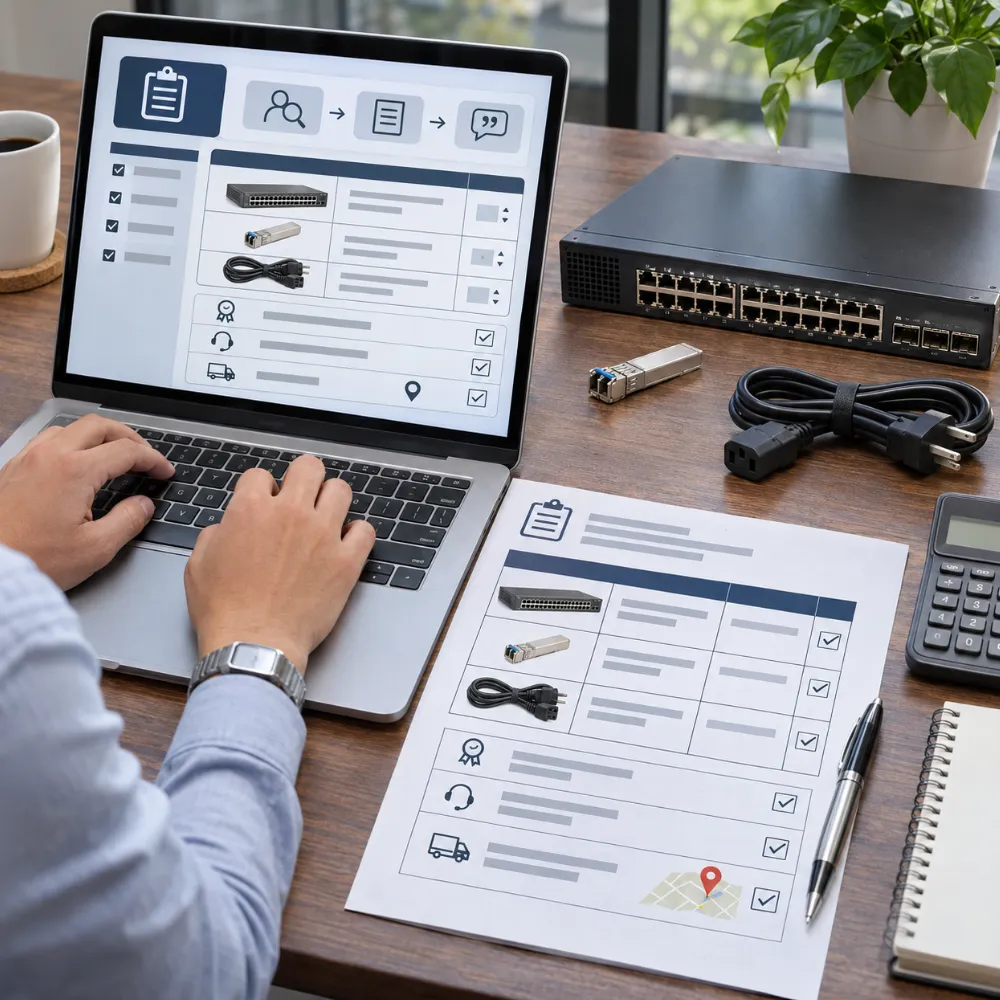
Once the Cisco partner locator has helped you find suitable contacts, send each the same brief. Your partner search produces better comparisons when every firm knows which needs are fixed and where you can accept a change. Tell each Cisco reseller how you will assess its reply.
Supply the details that change the offer
A useful request includes these fields:
- Hardware: Exact part numbers, counts, required accessories, and acceptable condition.
- Network: Installed platform, software version, planned use, and known compatibility needs.
- Sale and shipping: Buying company, country of use, delivery address, currency, and required arrival date.
- Licenses and service: Required software rights, term, support provider, and coverage needs.
- Acceptance: Rules for substitute parts, required records, return terms, and who approves changes.
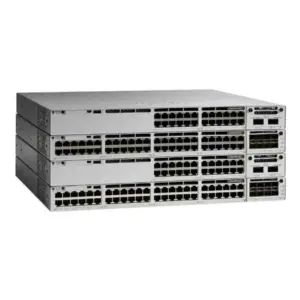
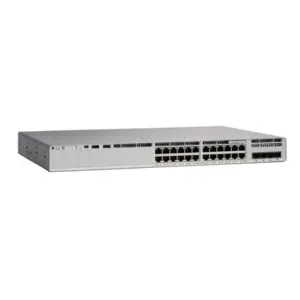
If you’re reviewing Cisco switches, use the catalog to find the hardware category. Then confirm the exact model and terms of sale. A category page doesn’t prove stock, just as choosing an authorized reseller doesn’t settle each detail of a quote.
Ask the Cisco reseller to flag missing facts before it prices the request. A model change needs a clear approval path, especially if it affects licenses, power supplies, or software needs. Don’t let a broad product-family name replace the part number your team agreed to buy.
Compare the complete scope
After the Cisco partner locator search, review each offer line by line. Include hardware condition, software, service, shipping, taxes, and exclusions in the comparison. A lower total can reflect a narrower offer. Ask the seller to explain gaps before you decide, and leave open questions marked as open.
For a separate hardware sourcing enquiry, browse the Cisco hardware catalog and build a part list to discuss with CREA DAS TECH. The catalog is a product resource, not proof of manufacturer authorization. Apply the same seller and order checks to every supplier you consider.
Keep a record of who approved changes to the brief. If a supplier proposes a partial shipment, ask which parts will arrive first and how that affects the work. A switch without an agreed accessory or license may leave the site waiting even after the hardware arrives.
Cisco partner locator questions buyers ask
How do I find a Cisco reseller near me?
Use the Cisco partner locator and start with the place where you need delivery or service. Then narrow the relevant skills and ask each firm whether it serves your site. Your partner search should establish who will do the work, including any subcontractors, rather than relying only on a nearby office.
What should I do if a company doesn’t appear?
Check its legal name, trading name, location, and any search filters, then ask the firm to explain. A missing result leaves its status unresolved; it doesn’t by itself prove fraud or counterfeit goods. If authorized reseller status is a condition of your purchase, seek confirmation through Cisco before proceeding.
Does a listing guarantee support for my purchase?
No. The Cisco partner locator shows partners and their stated skills; a purchase still needs written service terms and a check of support rights. Ask the Cisco reseller which hardware, licenses, and services the quote includes. An authorized reseller claim doesn’t replace a check of the coverage you’re buying.
Is this where I register as a partner or find training?
No. Buyer lookup, company partner registration, account tools, and training search serve different needs. Use the Cisco partner locator for a buyer’s partner search, then choose the relevant company or learning tool for the other tasks. Check what a portal does before you enter account or business details.
Choose a partner with evidence you can retain
A buying decision should make sense to the person who signs the order and the team that will use the hardware. Keep four things together: the seller’s name, its relevant skills, the agreed parts list, and the written service terms. That record tells a clearer story than a folder of badges with no link to the quote.
Use the Cisco partner locator to find firms, compare their current expertise, and establish a contact route. Then ask each Cisco reseller to resolve the details that affect your site. Check an authorized reseller claim for the relevant sale, while keeping separate checks for stock, licensing, and support.
For a hardware sourcing enquiry, send your part list to CREA DAS TECH with counts, destination, required condition, and support needs. Ask for the available offer and its terms. Keep the Cisco partner locator evidence with that reply so your team can see what you’ve checked and what still needs an answer.